
Nepal’s Last Free-Flowing River: On Rafting and Protecting The Karnali
While Nepal's guides love rafting their amazing whitewater, they're equally committed to protecting its last free-flowing river.

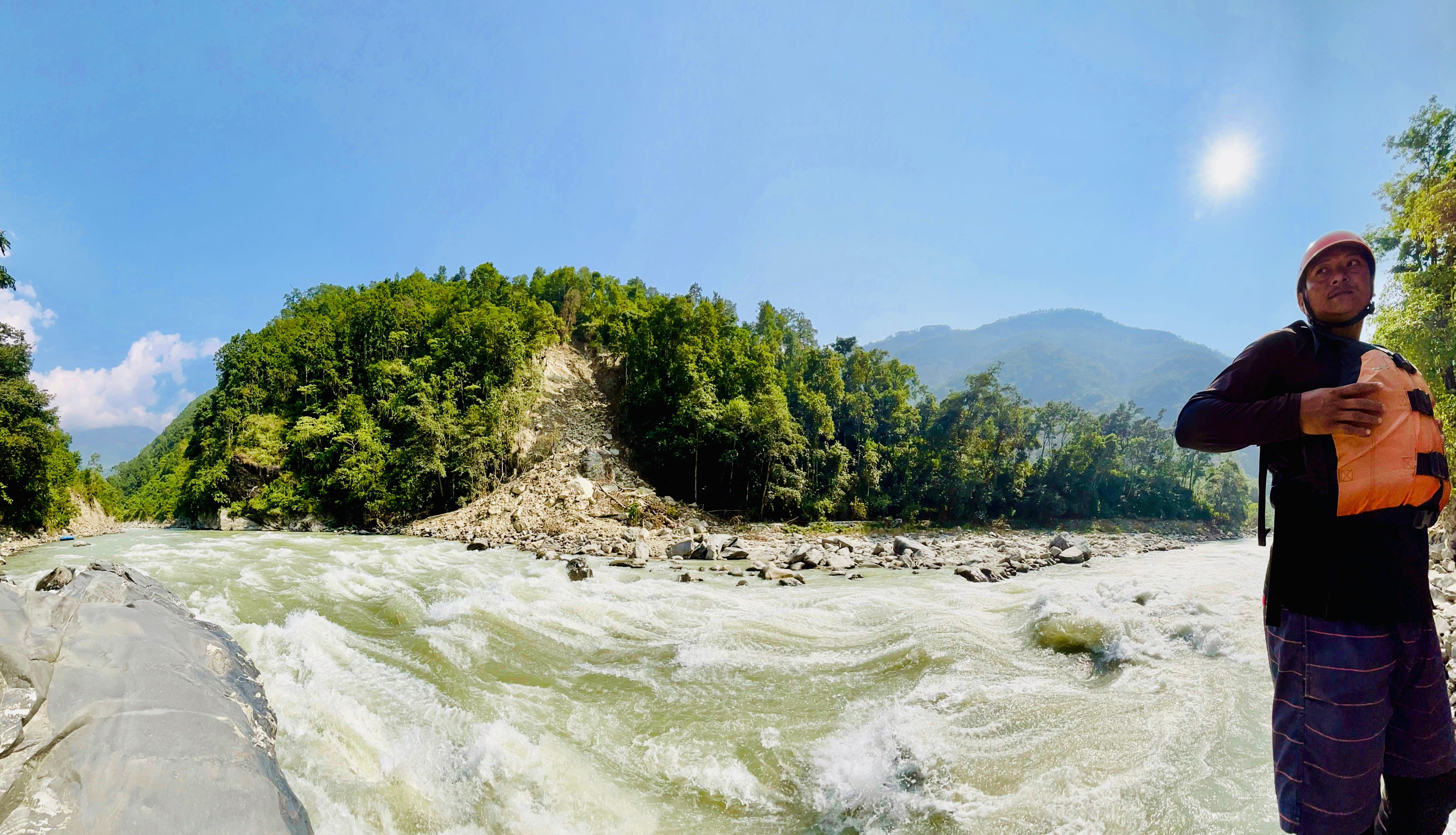
“A lot of people don’t know about whitewater rafting in Nepal. But they should,” Insisted Megh Ale, founder of the Nepal River Conservation Trust.
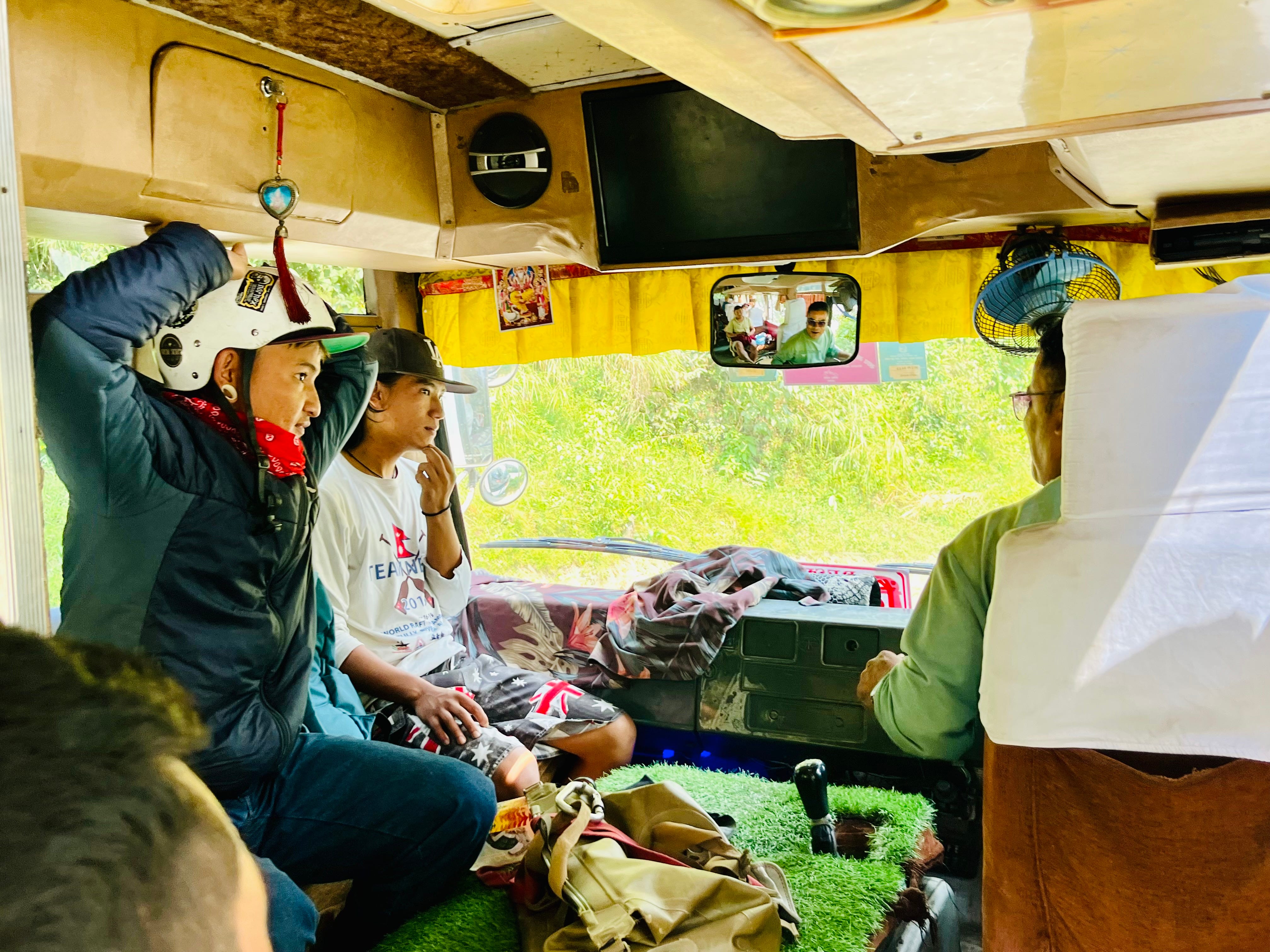
We were en route to raft the Bhote Koshi River, fed by the Zhangzangbo Glacier in Tibet. The three-hour drive from Kathmandu was a winding, bumpy journey filled with the hum and honking of traffic. Despite the chaos, I couldn’t pass up the chance to interview someone as passionate as Megh.
“Nepal is home to over 6,000 rivers, most of which are dammed for hydro energy. The Karnali River, the longest and biggest in the country, is the last free-flowing river. Yet, plans are underway to dam it as well. While we love rafting our amazing whitewater, we’re equally committed to protecting Nepal’s last free-flowing river.”
Where and When to Raft in Nepal—and Why You Should
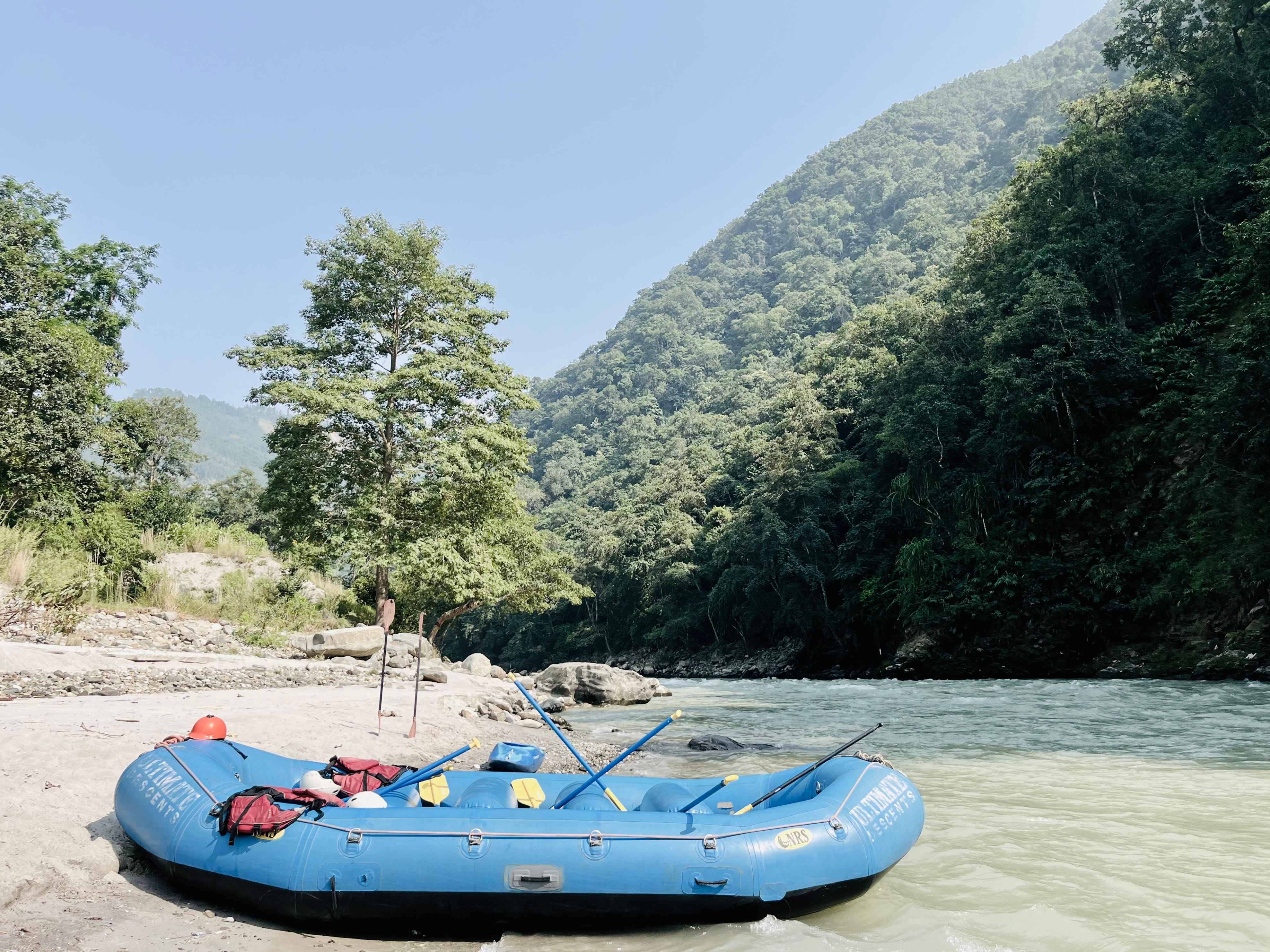
Nepal is home to the tallest mountains in the world, and where there are mountains, there are rivers descending as mightily as they rise. Yet, the conversation regarding traveling to Nepal often centers exclusively on trekking.
Carved by the force of the Himalayas, Nepal’s rivers offer some of the world’s best whitewater rafting. And there’s a range of trip types from mild to wild, set in remote landscapes with rich cultures and world-class rapids.
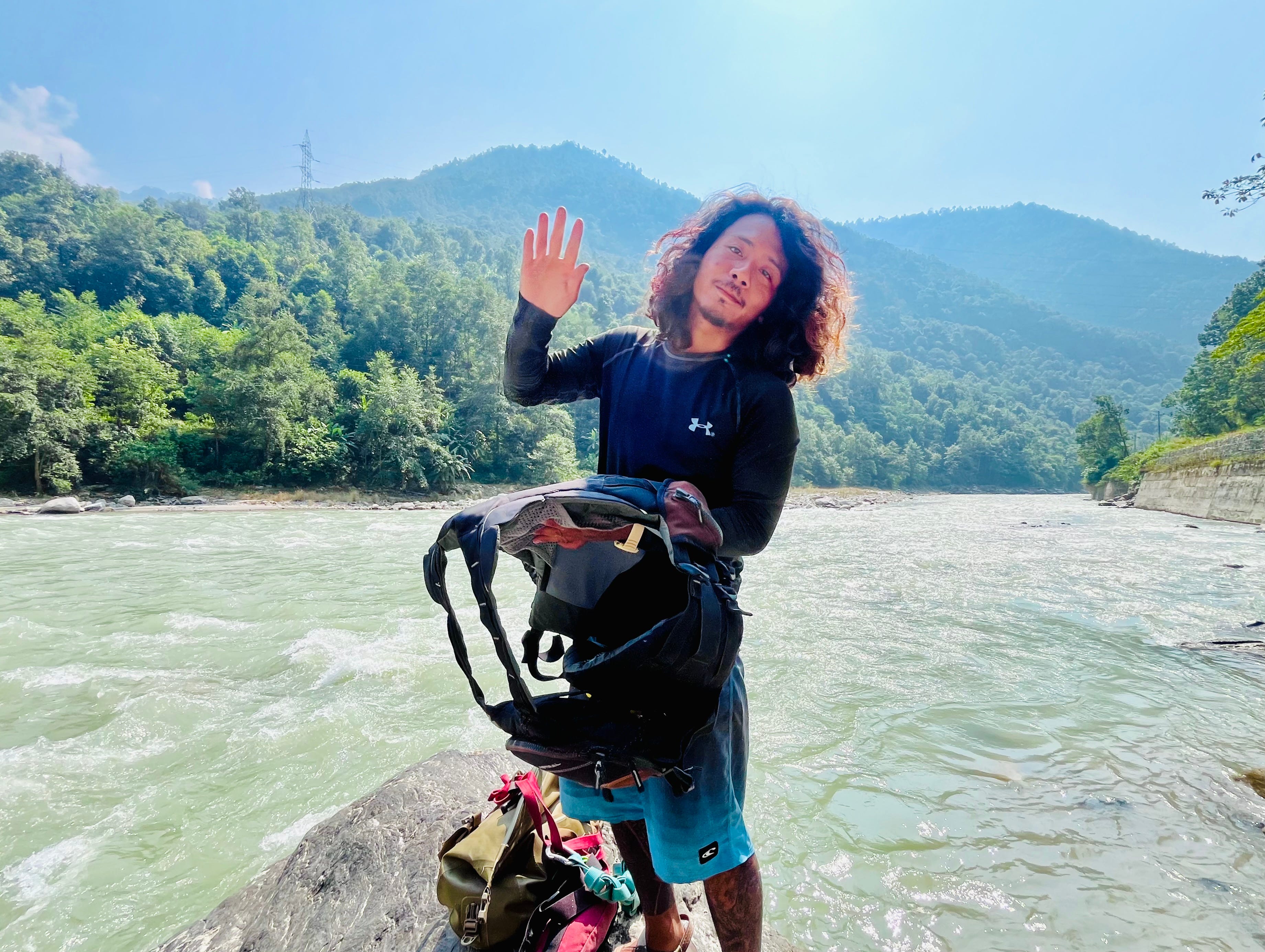
The Karnali is Nepal’s longest river, offering up to a 13-day trip through remote, jungly hills and up to Class V rapids, where the rare freshwater dolphin roams its waters. Megh’s nephew and river guide, Prashant has even met the Raute, Nepal’s last nomadic people—who frequent the Karnali—while trip leading there.
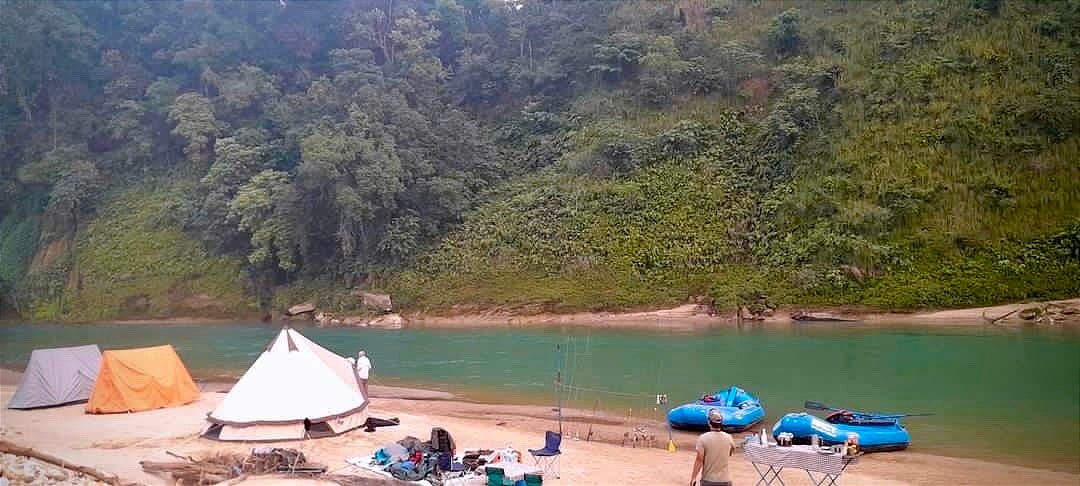
Known as “The River of Gold,” the Sun Koshi is famous for its raucous rapids and is the longest river trip offered in Nepal, traversing 270 km through the mystical Mahabharat Range.
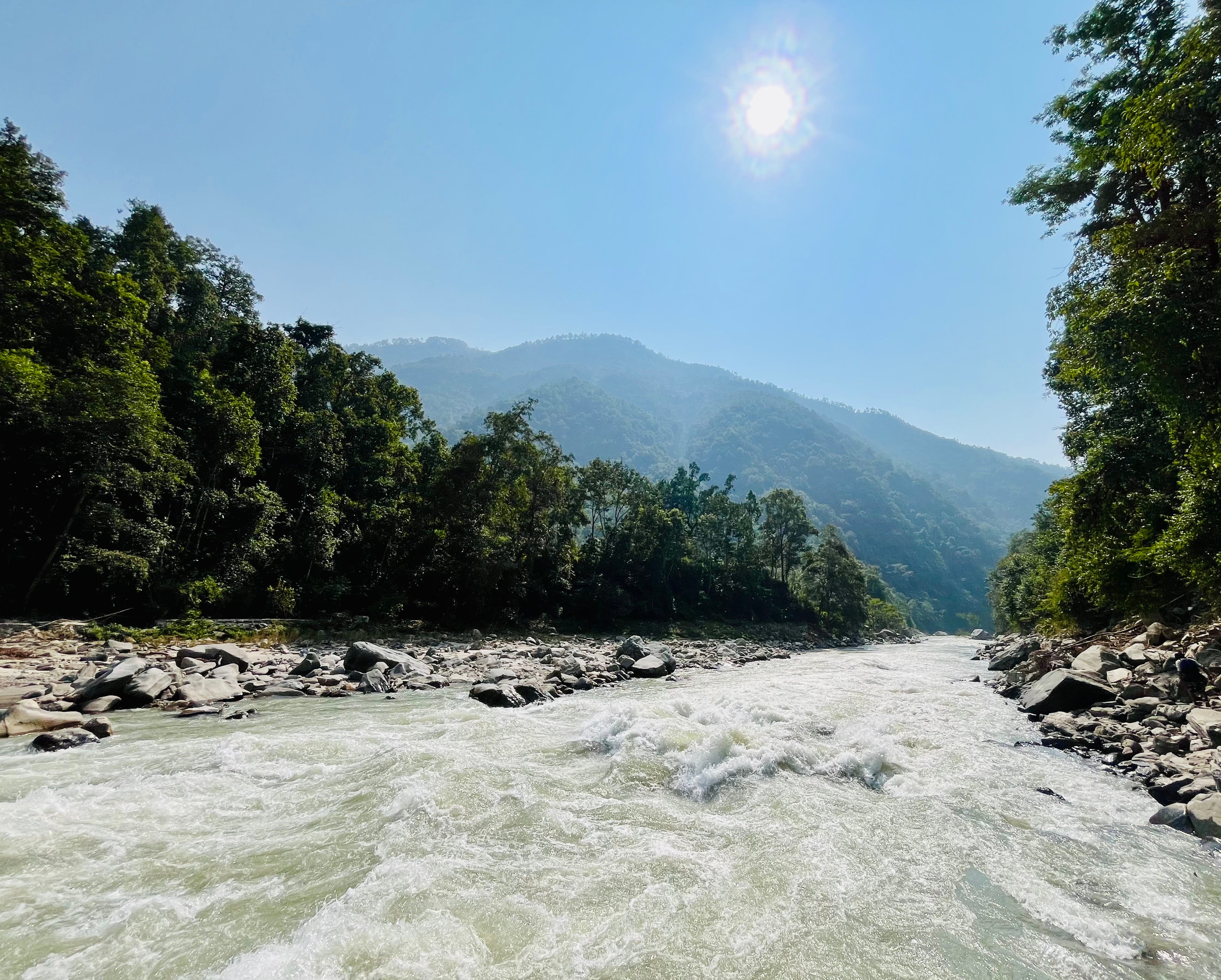
The Bhote Koshi, drawing its amazing power from high up in the Tibetan plateau, is among the top ten rivers for rafting and kayaking in the world. It’s a very steep and continuous mountain stream, leading to rapids around every corner.
Named after Goddess Kali and nicknamed “The Holy River,” the Kali Gandaki River rises in Mustang District and flows through one of the deepest gorges in the world.
Marshyangdi, referred to as the “Raging River” in the local dialect, aptly describes one of the best whitewater runs in the world. Just do it.
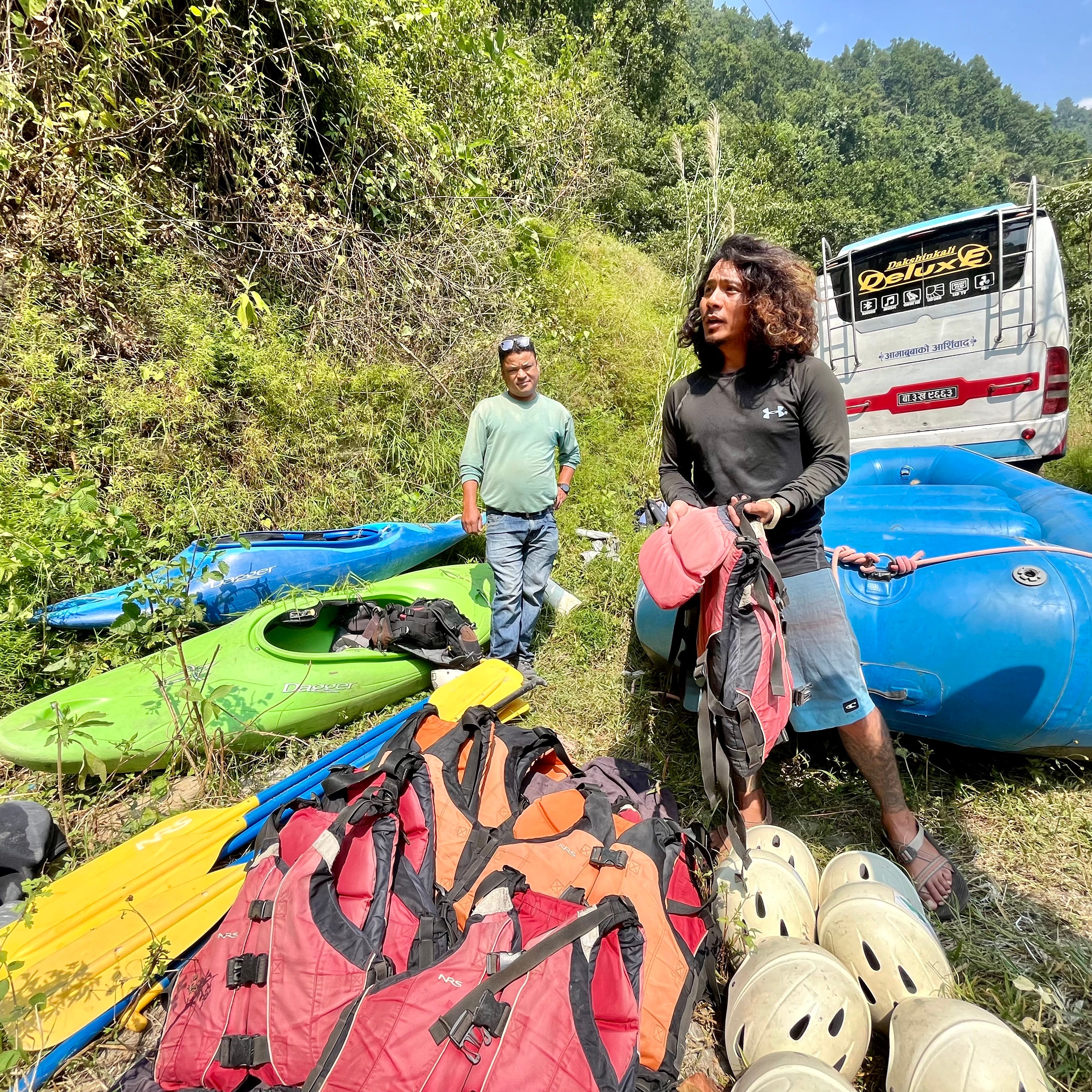
The Seti River is renowned for its beauty, featuring dense remote jungles, exquisite sandy beaches, and Class II-III whitewater.
For beginners, the Trisuli is Nepal’s most popular rafting river, with easy access from both Kathmandu and Pokhara. It offers scenic valleys, impressive gorges, and more manageable rapids.
(View a full list of trips ranging from ½ to 13 days here.)
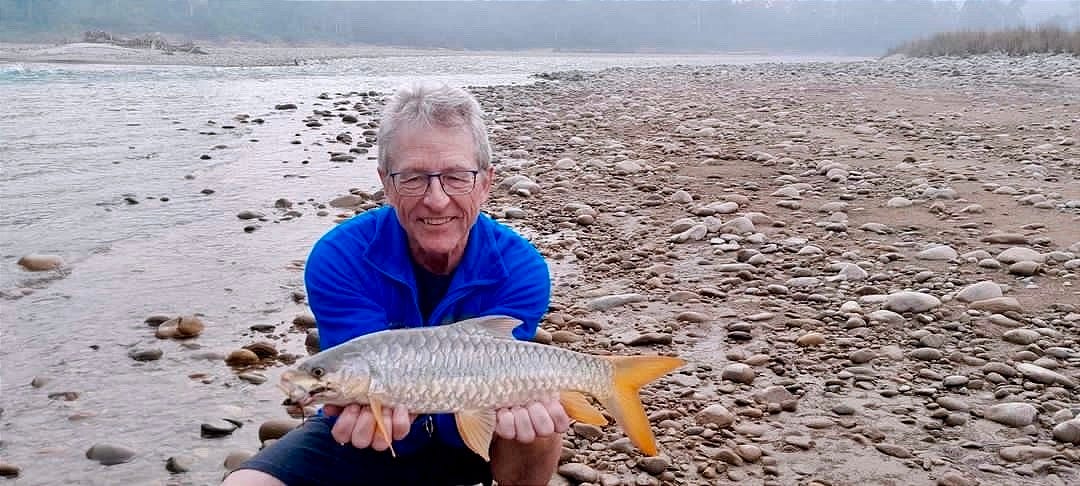
Nepal’s rivers are full of life, including the golden mahseer fish and over 130 other fish species. One might also spot wildlife like jackals, yellow martens, leopards, porcupines, langurs, and bears along the banks.
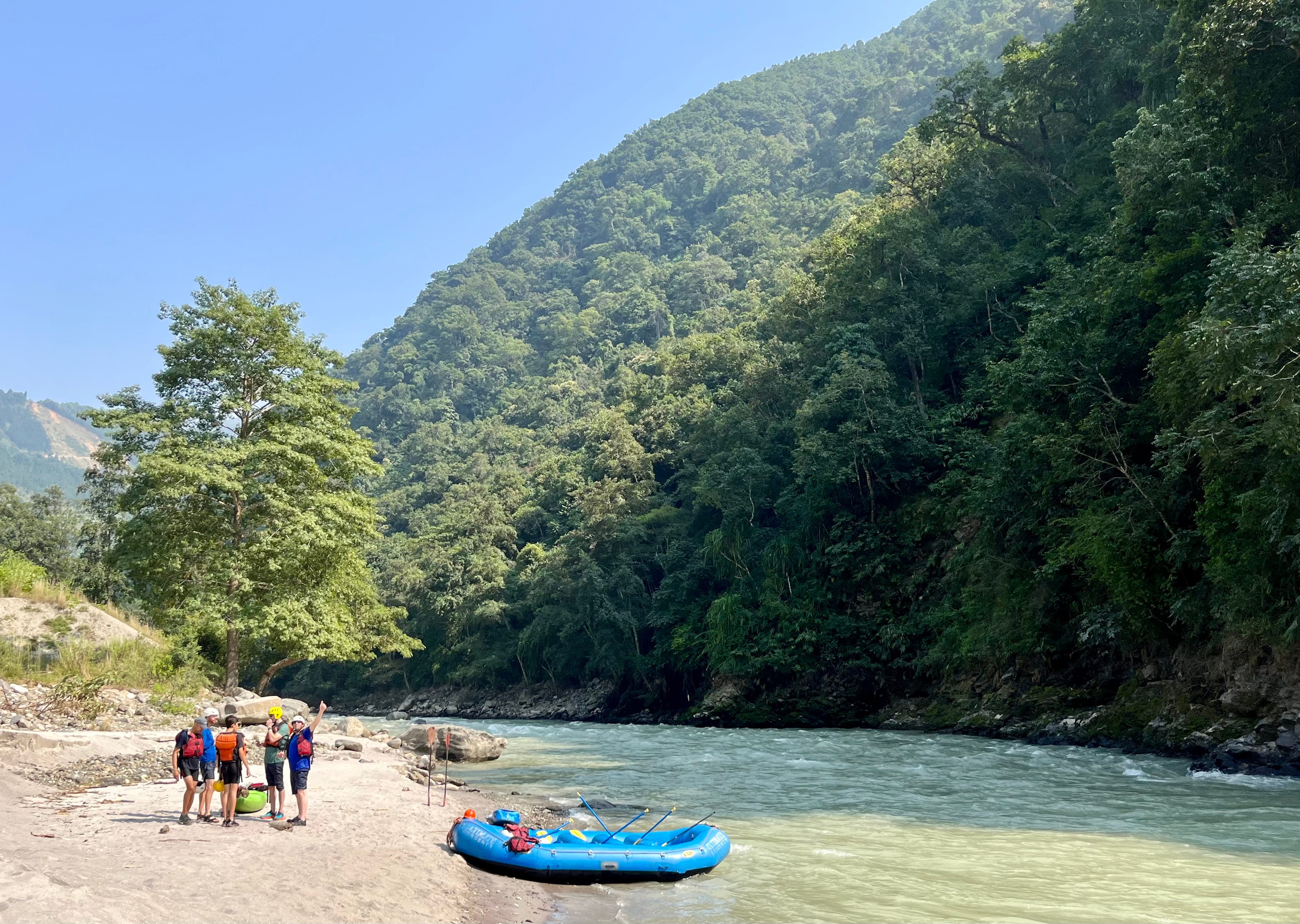
The best times to raft are from late September to early December and March to May. The summer monsoons alter river conditions, shifting the rapids and increasing water levels, making for fall rafting that’s almost as good as spring.
Despite Nepal’s immense rafting potential, the focus has been largely on trekking. The country has incredible rafting and kayaking experiences that remain lesser-known.
Why Protect the Karnali?
Nepal’s last wild river, the Karnali, begins at Mt. Kailash on the Tibetan Plateau and flows 671 miles to its confluence with the Ganges River in India.
The Karnali provides water to millions, supports diverse fish and wildlife, and is valued for whitewater rafting. These vital resources support livelihoods throughout the Karnali Basin.
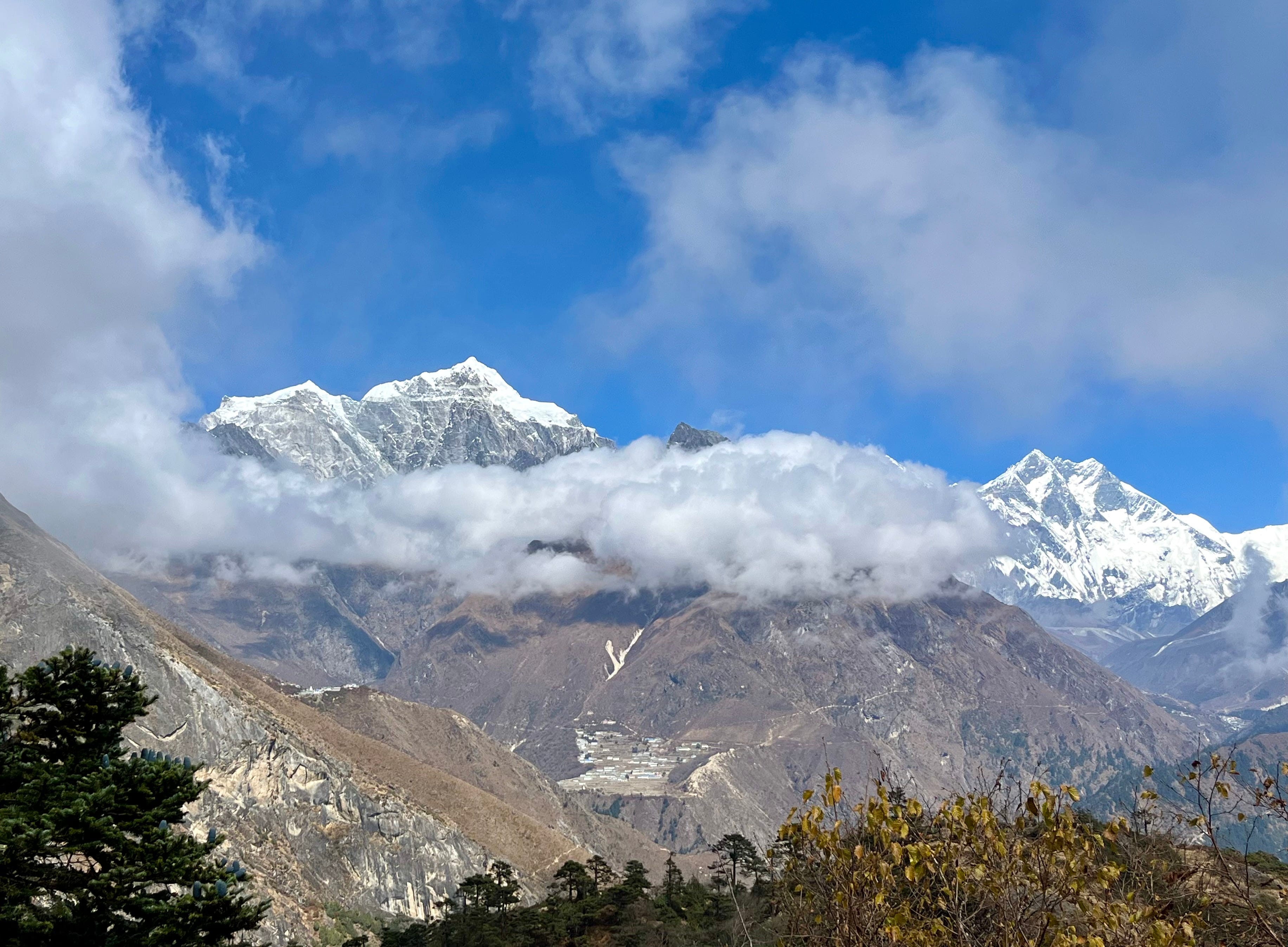
Formed as the Himalayas rose from tectonic collisions, the Karnali carved its path through the granite landscape, creating steep gradients, rugged rock ledges, and pristine rapids. Fueled by monsoon rains and glacial melt, the river nourishes fertile plains along its route with water, nutrients, and sediment, sustaining both land and life.
Megh makes a compelling case: “Why not keep one river free-flowing? Why not have a wild and scenic river? Why not designate this river as a national park?”
This is what conservationists are fighting for–keeping this one last, vital river untouched by human development.
The Need for Hydropower
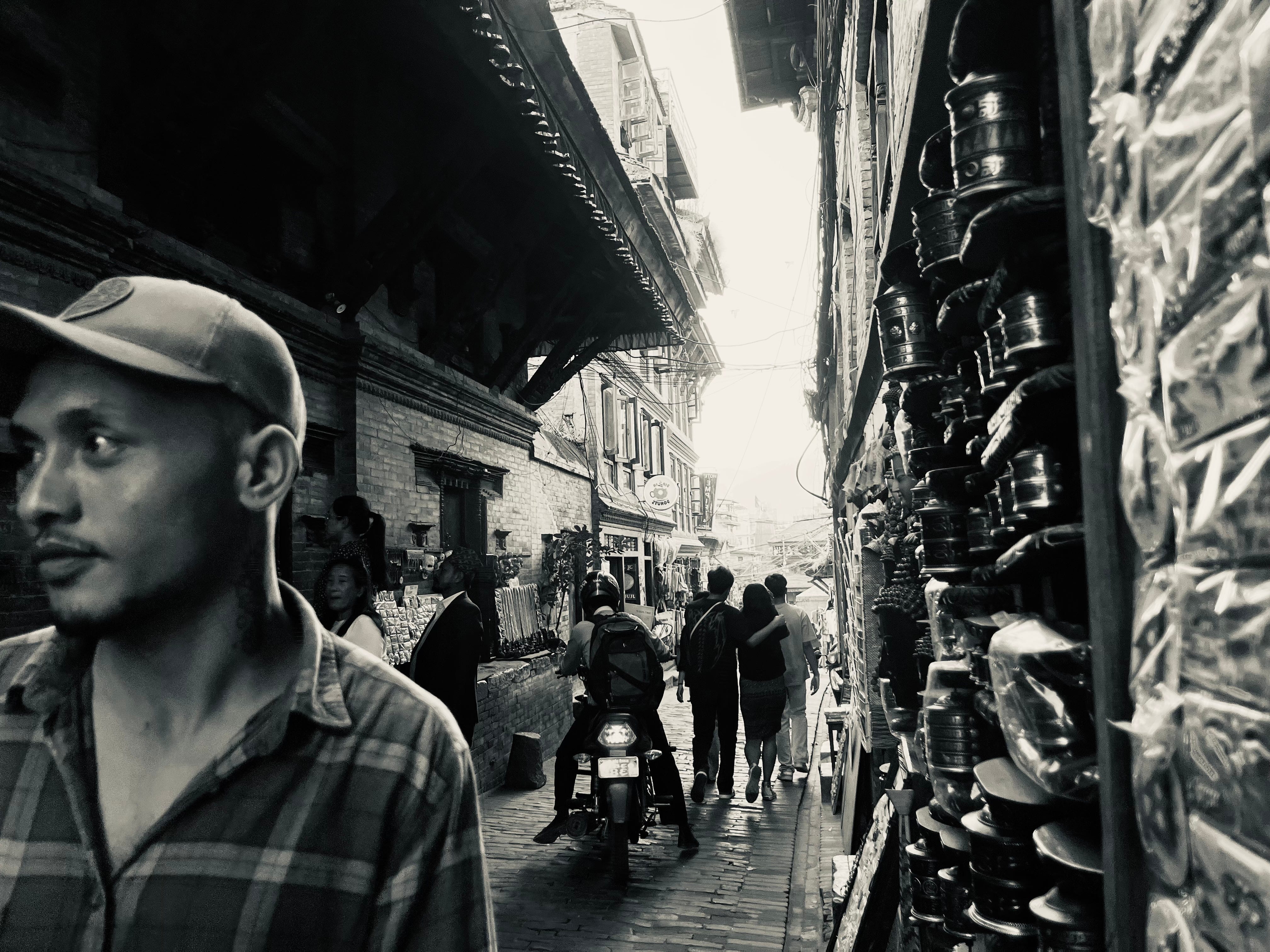
Shyam Joshi, the owner of a lively hostel in Kathmandu’s Thamel district, sees damming the Karnali differently. He’s visited the remote communities where residents could significantly benefit from the proposed hydropower.
Take Humla, an isolated district with neither road access nor reliable electricity. “Many people there live a simple lifestyle, walking instead of driving and lighting their homes with pinewood and using torches to see at night,” Shyam explains.
After spending 42 days in Humla, Shyam expressed gratitude to have consistent access to electricity where he lives in Kathmandu. For people in Humla, he argues, “if they can benefit from the flowing water, they should.” He believes the untapped flow of the Karnali could greatly improve their lives and economy.
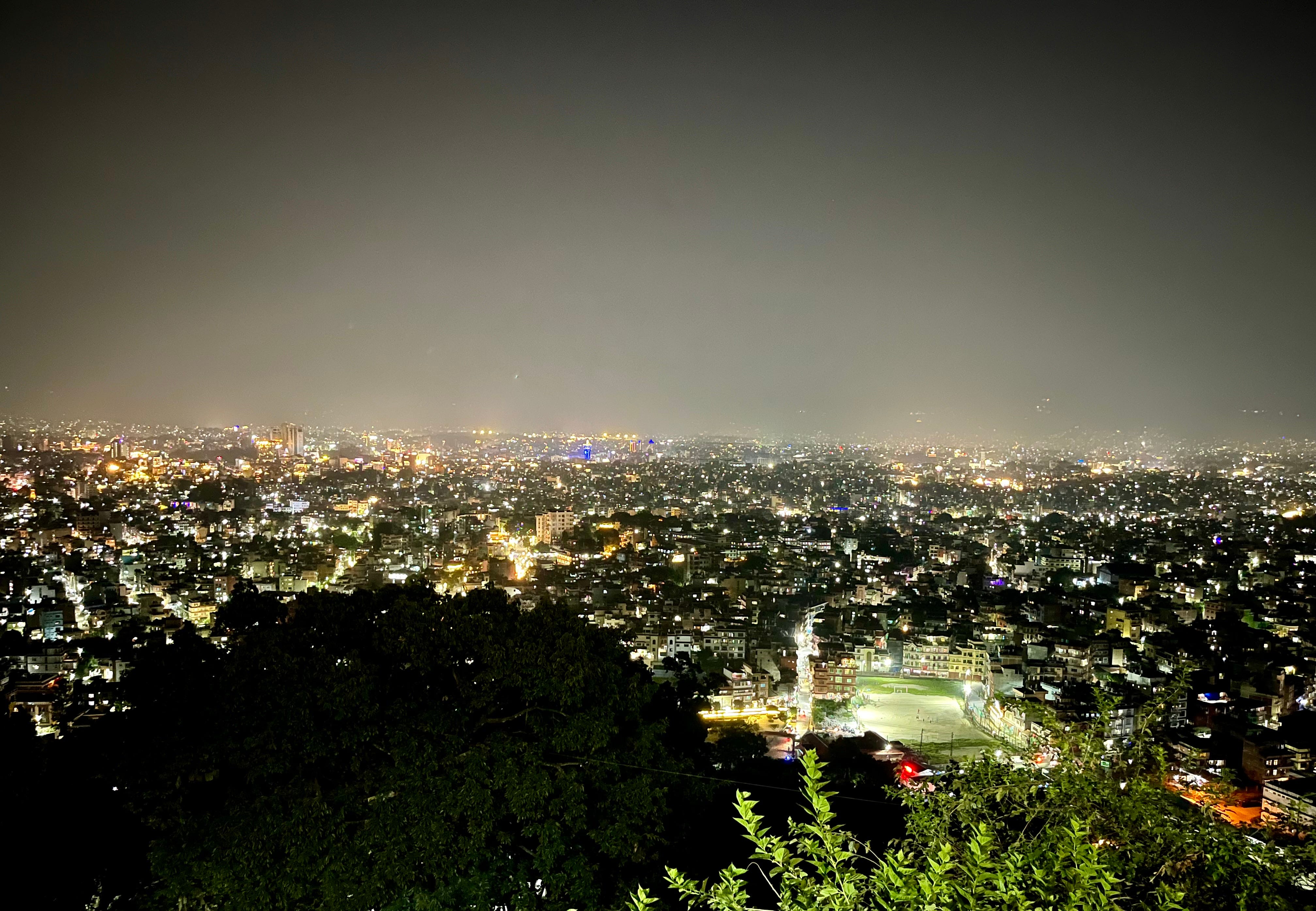
Shyam’s observations reflect the political reality: of Nepal’s 77 districts, only Humla remains unconnected to the national grid. Instead, it depends on micro-hydropower projects and solar energy for electricity, according to Spotlight Nepal. Power shortages—such as the failure of the 65 kW Nerkhola Micro Hydropower Project in 2022—have severely impacted healthcare services and students, who often study by candlelight.
Hydropower, compared to other energy sources, offers long-term cost efficiency, with lower maintenance and operational costs than solar, which requires updates every five years or so.
Although the initial investment is substantial, hydropower’s extended lifespan spreads these costs over time, while its equipment generally demands fewer replacements or repairs, leading to further savings.
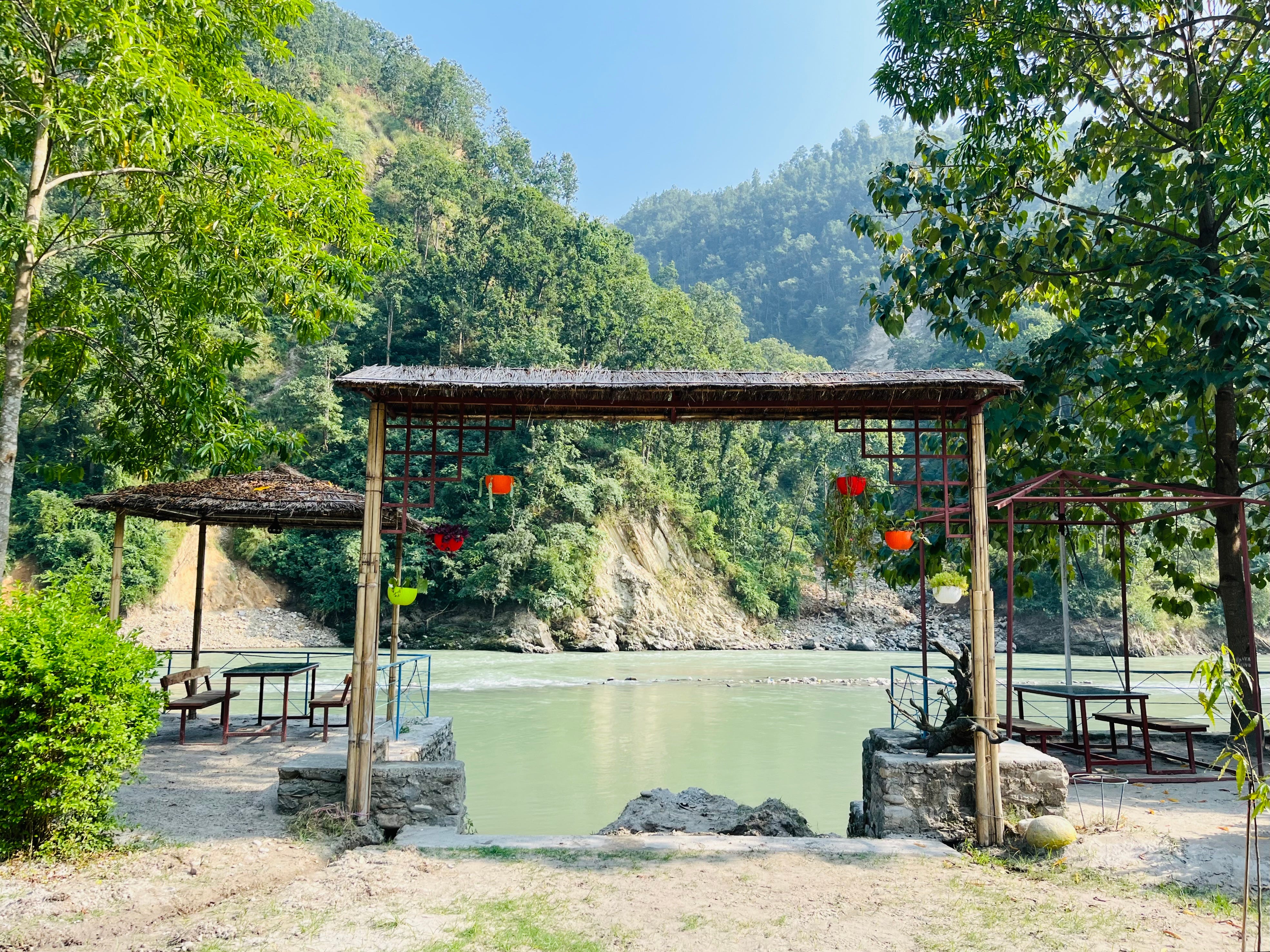
Beyond energy generation, the Karnali dam could bring new economic opportunities. It could draw both domestic and international tourists, similar to the Kulekhanai River dam, by introducing swimming, boating, and resort tourism.
Reconciling Needs
Renewable Energy Patches
While the Karnali River has significant hydropower potential, the emphasis should be on renewable energy technologies such as small hydropower, solar PV, biomass, and wind energy to quickly address power outages in districts like Humla. In fact, Humla has already experienced successful solar energy installations.
In 2022, Bare Foot College reported lighting options and costs have greatly improved for 100 Nepalese beneficiaries living in three villages in Humla. Before, candles and kerosene made up 13% and 5% of their light sources, costing families about INR 474 a month.
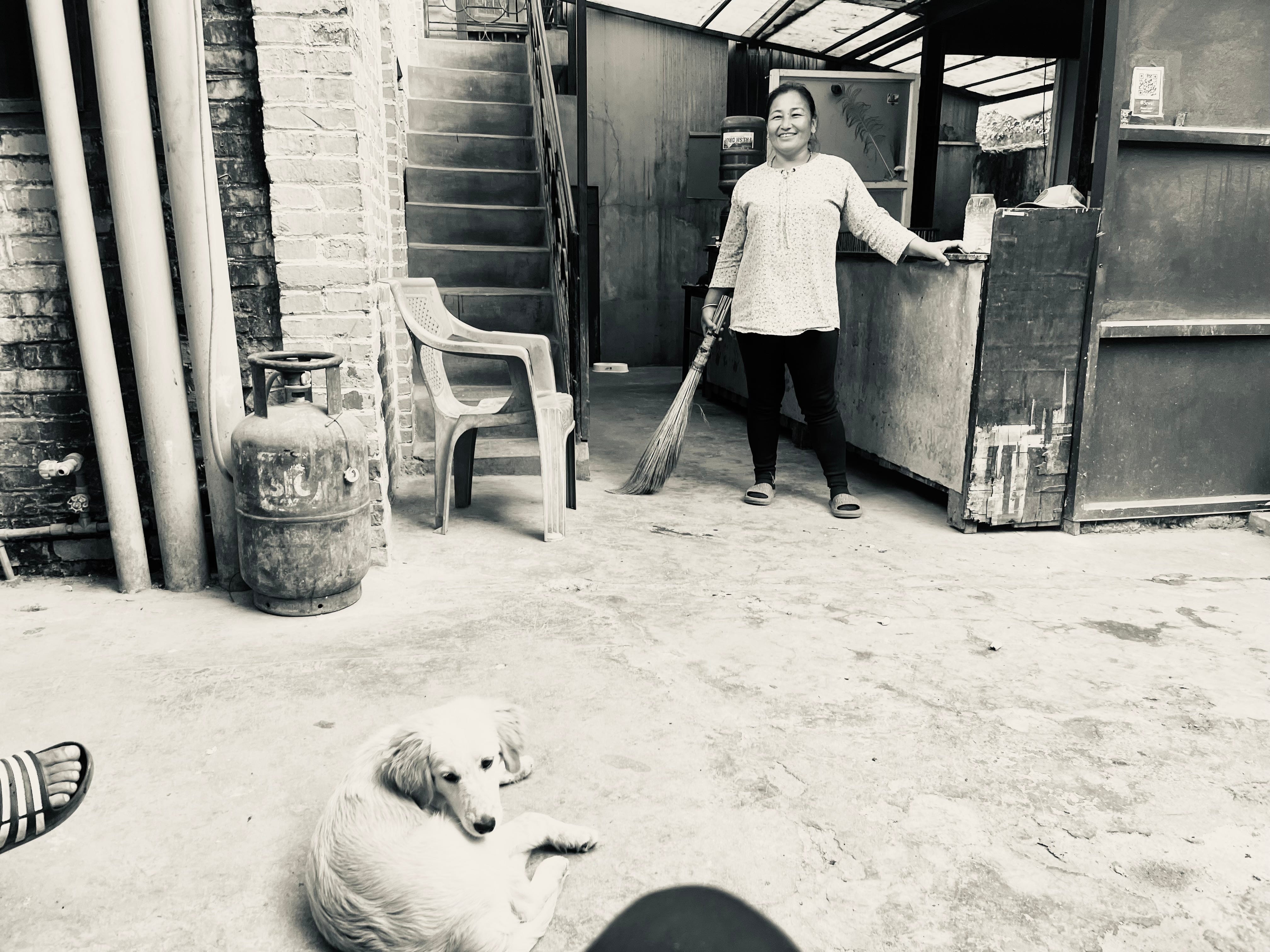
Now that they have solar electricity, these families don’t use candles or kerosene at all. While all families used battery-powered torches before, only 21% still use them since they now have solar-powered torches.
Efforts like these serve as a renewable energy patch, offering a sustainable solution for Nepal’s remote districts while protecting its last untamed river.
Nepal’s Eco-Tourism Edge
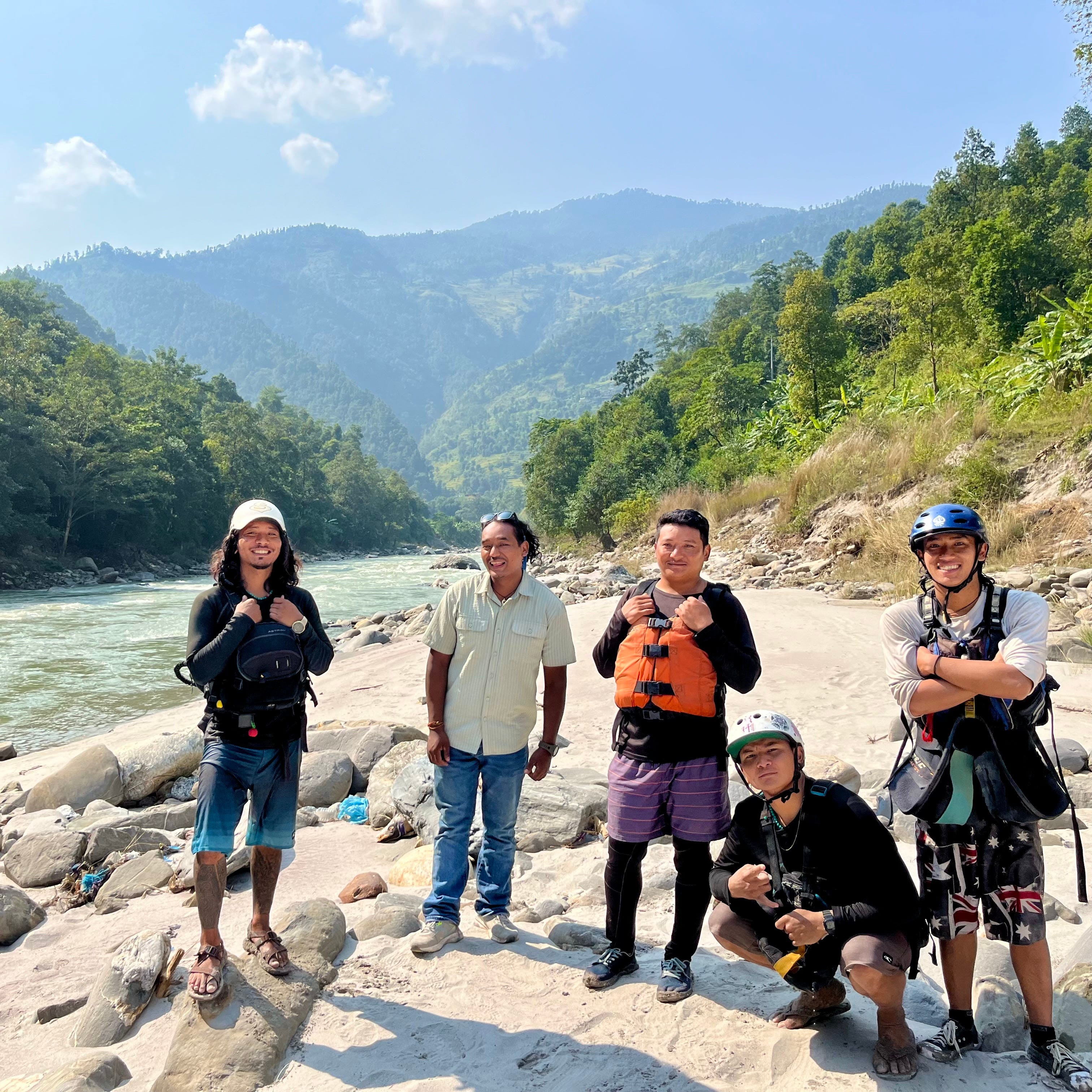
Rather than prioritizing the construction of more dams, resorts, and boating marinas, Nepal should focus on river conservation and eco-tourism activities such as rafting and trekking. With pollution escalating due to rising waste along the riverbanks from overdevelopment, embracing eco-tourism presents a sustainable solution that benefits both the environment and local communities.
Notable examples of environmental impact caused by overdevelopment include the Bagmati River and Khulekani Dam. The Bagmati, one of Nepal’s oldest rivers, suffers from significant pollution despite over 12 years of volunteer efforts aimed at restoring its health. Megh, a dedicated volunteer, spends many weekends cleaning up trash along its banks.
(Visitors to Kathmandu can also participate in these clean-up efforts by contacting Megh at nrct.org.np)
In contrast, the damage caused by the Kulekhani Dam is less apparent at first glance. While the hydropower reservoir successfully generated electricity and supported irrigation and aquaculture, it has also harmed fish biodiversity and local fishing communities, per Ash Kumar Ral. The alterations to the ecosystem have destroyed crucial feeding and breeding grounds, resulting in a decline in fish species.
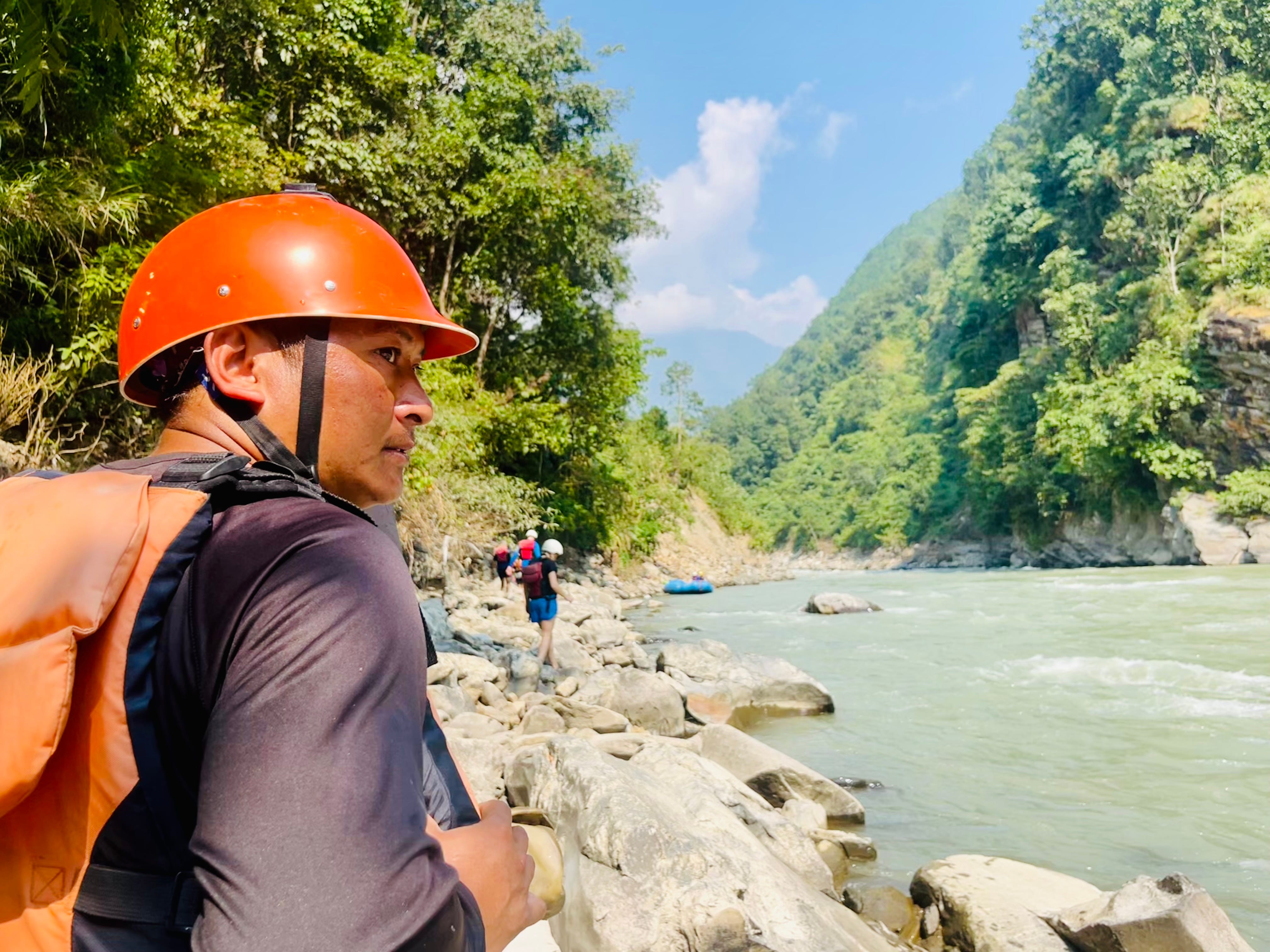
Nepal is as rich in grassroots environmental movements as it is in natural wonders. Alongside organizing trash clean-ups on the Bagmati River, Megh leads a River Restoration Project that investigates how to sustain rivers using bamboo technology. He studies the different types of bamboo from around the world, learning the best uses for bamboo in river communities, how to treat it, and how to build along the banks to help prevent erosion.
At the Kulekhani Dam, environmentalists advocate for the establishment of fish hatcheries near the dam sites and the construction of fish ladders to support fish movement as mitigation strategies to address declining fish populations.
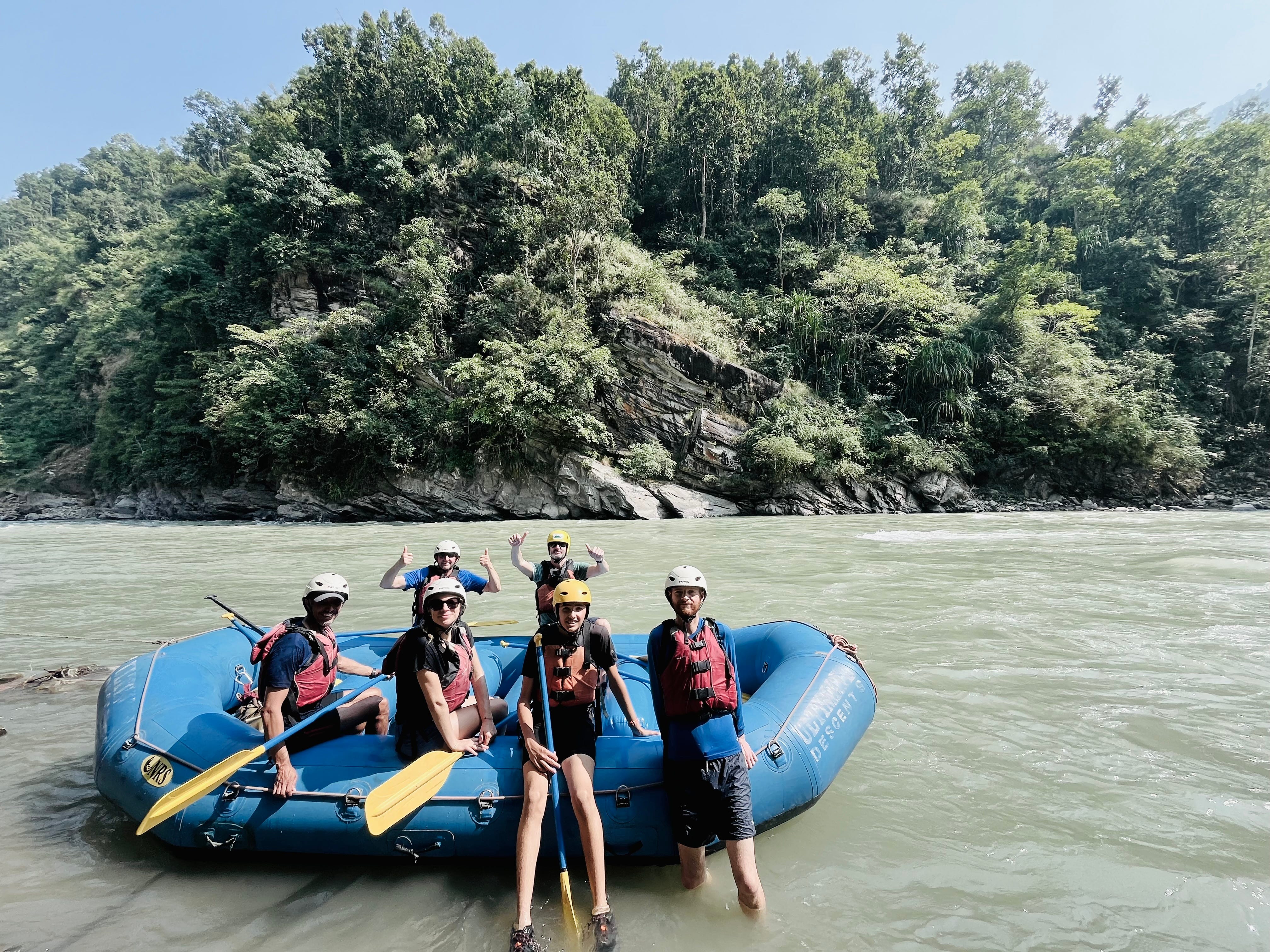
Eco and adventure tourism has a particular edge in Nepal’s economy. It can provide meaningful jobs and help reduce the emigration of young people, many of whom leave Nepal each year to study and work elsewhere due to difficult conditions at home.
The impact of COVID-19 furthered economic devastation to the point where Megh reports having seen a dozen dead bodies at the airport daily due to poor working conditions. He believes rebuilding eco and community-based tourism offers an urgent path forward for Nepal.
Rafting, for example, focuses on visiting natural areas while minimizing environmental impact on its rivers, allowing adventurers to experience wild lands, navigate rapids, and promote awareness of the region’s unique ecosystems and the importance of protecting them.
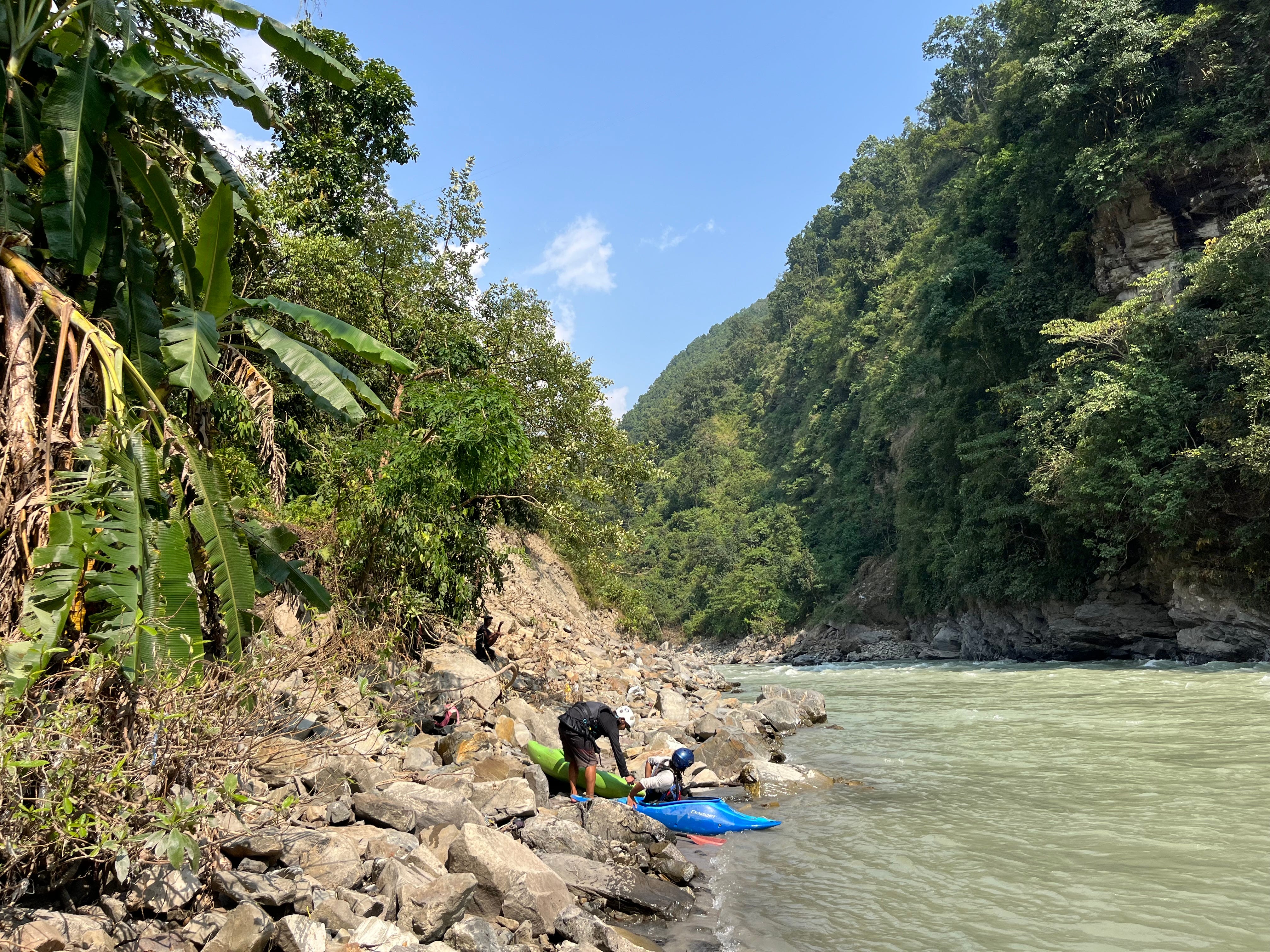
Promoting eco-tourism in Nepal could involve partnering with international companies, as Ultimate Descents, the adventure company Megh founded and directs, has done in the past with Timberline Tours in Vail, Colorado, to position Nepal as a top destination for both trekking and rafting.
Nepal could also serve as a shoulder season adventure destination for river guides from other countries looking to explore new rivers and expand their network within the international rafting community.
One Last Wild and Scenic River
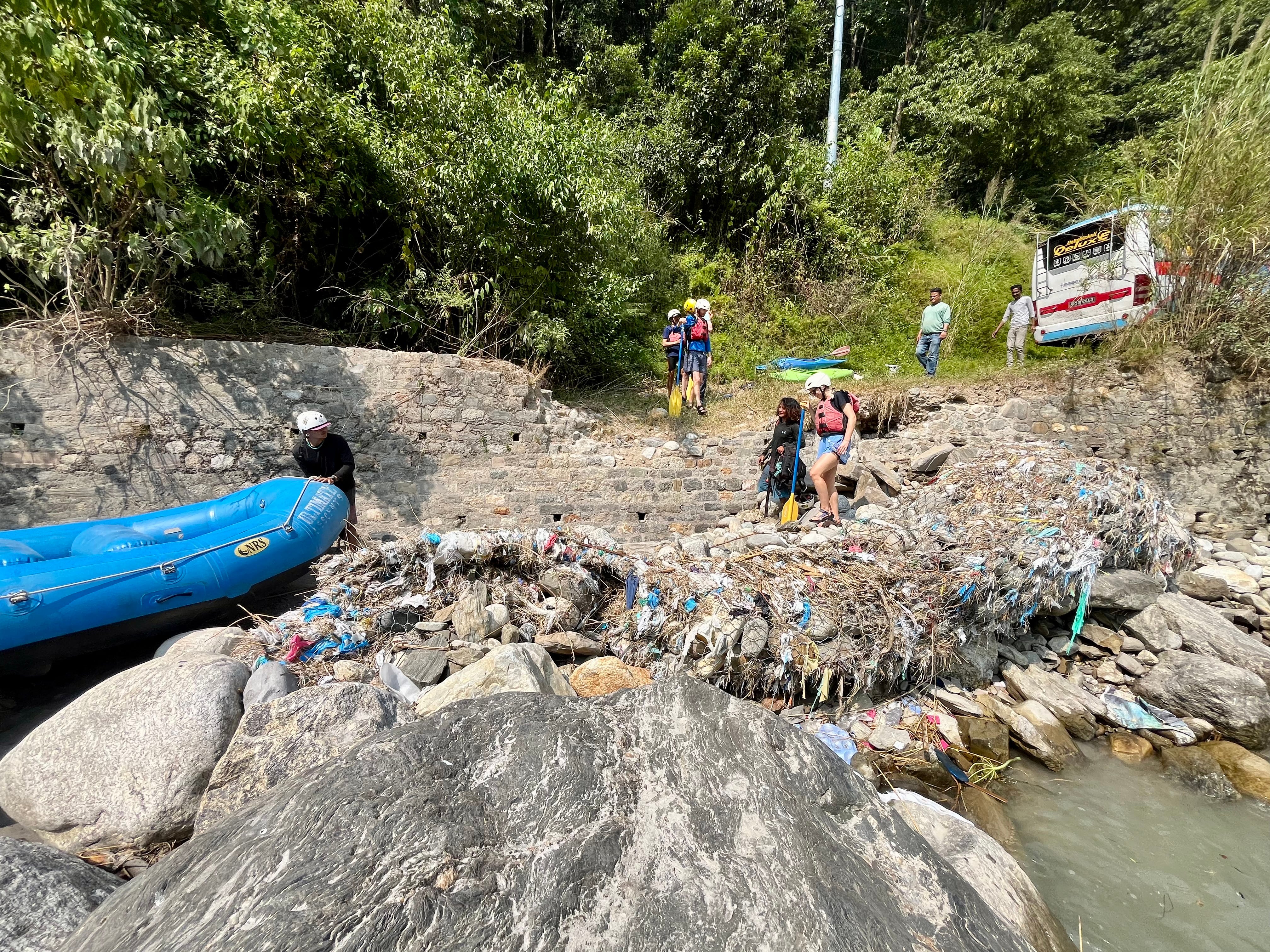
As we arrived to the launch site for rafting the stunning turquoise-gray waters of the Bhote Koshi River, the trash littering its banks highlighted the dire need for environmental restoration in many parts of Nepal.
Instead of exacerbating the environmental issues with damming the Karnali and developing resort tourism, we should support leaders like Megh, who are advancing eco-tourism and renewable energy.
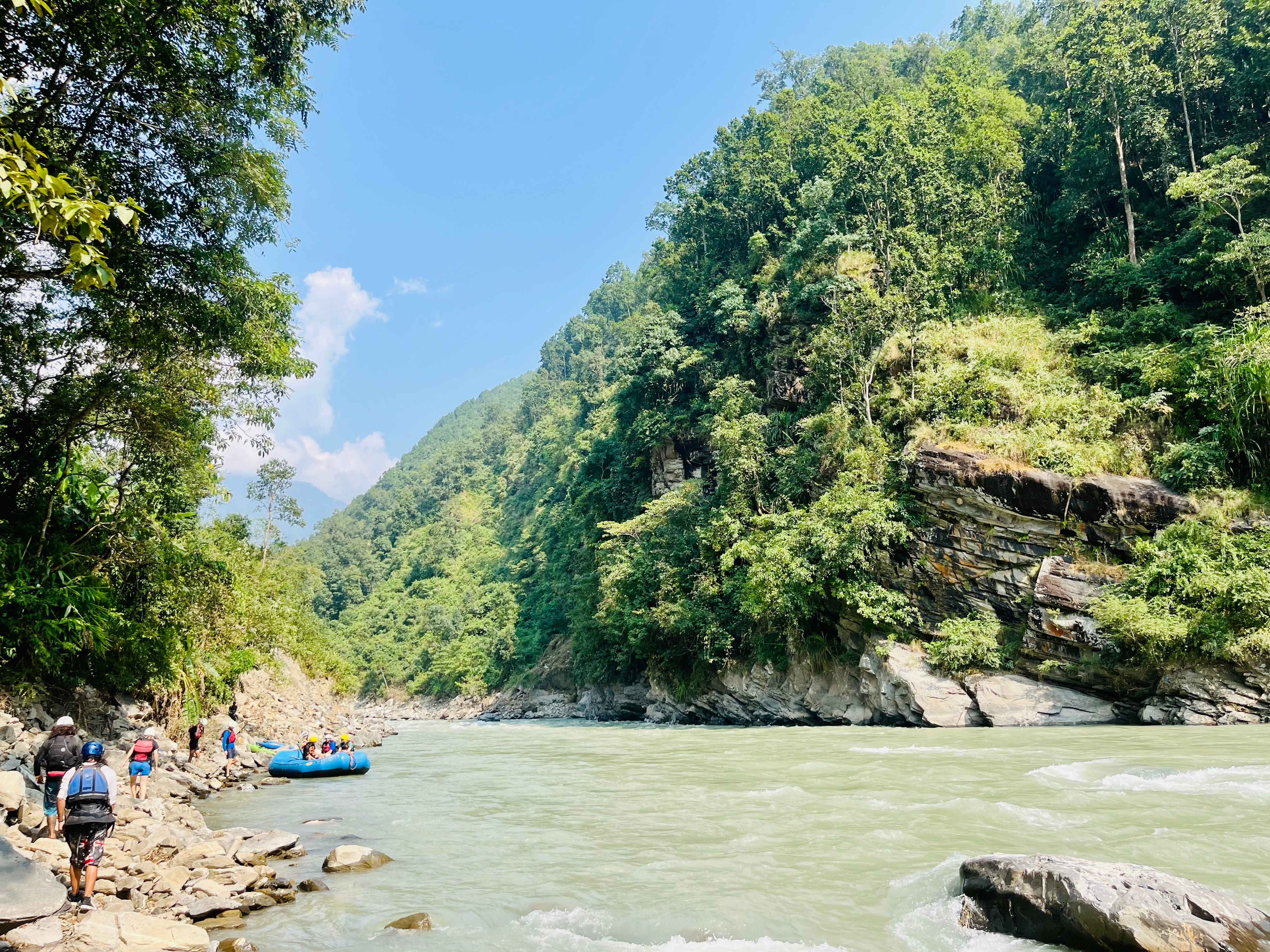
“If we don’t do it, who’s going to do it? Before it’s too late, and it looks like it’s already getting to be too late.” Megh’s sentiment is echoed by those dedicated to protecting rivers like the Karnali from irreversible damage.